Professional Automobile Mechanic Services for Trustworthy Vehicle Care
Expert car mechanic assistance play an vital role in maintaining vehicle reliability. These professionals utilize advanced diagnostic tools to identify issues precisely and deliver high-quality repairs. Trust is fostered through warranties, while regular maintenance helps prevent unexpected breakdowns. Understanding the value of skilled mechanics can greatly impact vehicle performance and longevity. However, not all mechanics are created equal. Identifying the right one can make all the difference in vehicle care. What should vehicle owners consider next?
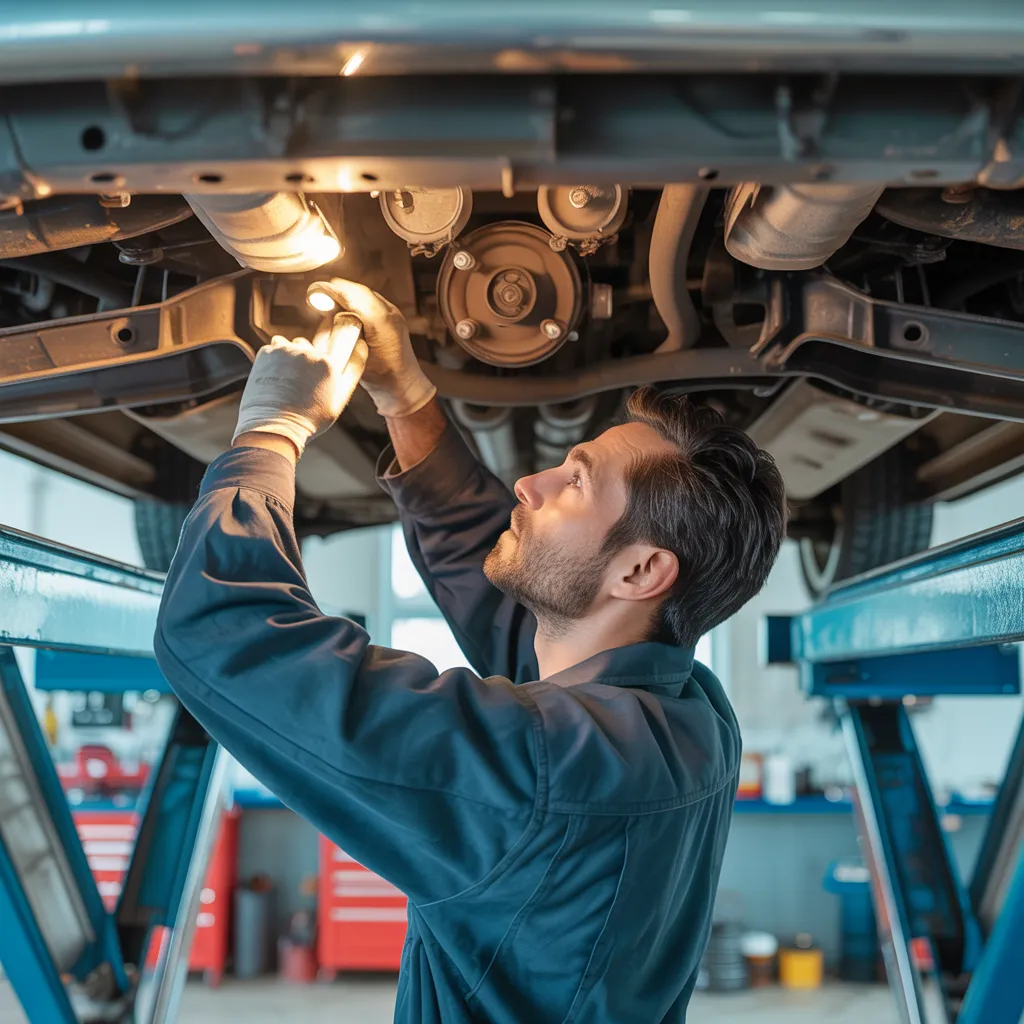
Why Work with Expert Auto Mechanic Services?
In addition, expert auto mechanics often utilize sophisticated diagnostic tools, which allows for precise identification of complications that may elude less experienced technicians. They also tend to offer warranties on their services, providing peace of mind to vehicle owners. By prioritizing quality workmanship, these professionals help extend the lifespan of vehicles, ultimately saving owners from costly long-term repairs. Choosing expert services not only guarantees reliability but also fosters a strong relationship between mechanics and clients, leading to better overall vehicle care.
What's the Best Way to Identify Honest Auto Mechanics?
Determining dependable auto mechanics requires evaluating their certifications and qualifications, which can show their amount of knowledge. Moreover, suggestions from colleagues can provide valuable insights into a mechanic's credibility and trustworthiness. Together, these factors can guide individuals in making informed decisions about their auto repair needs.
Certifications And Qualifications
Certifications and qualifications serve as essential indicators of a reliable auto mechanic's skill. Mechanics who possess certifications from accredited organizations, such as the National Institute for Automotive Service Excellence (ASE), show a commitment to industry norms and ongoing training. These credentials often reflect specialized knowledge in various automotive systems, ensuring the mechanic can effectively identify and fix issues. Additionally, manufacturers may offer specific training programs, leading to certifications that confirm a mechanic's proficiency with particular makes and models. When seeking reliable auto services, reviewing a mechanic’s certifications can provide confidence of their abilities and expertise. This emphasis on credentials helps customers make informed decisions, ultimately contributing to safer and more efficient vehicle care.
Suggestions From Peers
Word of mouth stands as one of the most trustworthy methods to locate trustworthy auto mechanics. Recommendations from peers offer important insights into a mechanic's competence and customer service. Those seeking auto repair services should consult friends, family, and coworkers who have had successful experiences. Online reviews and community forums also act as useful resources, letting potential customers evaluate a mechanic's reputation. It is important to consider the specific services required, as some mechanics specialize on particular vehicle types or issues. Furthermore, asking about pricing transparency and overall satisfaction can further refine choices. Ultimately, gathering a range of opinions promotes informed decisions, resulting in a trustworthy mechanic who fulfills one's automotive needs.
Regular Vehicle Owner Complications Properly Managed by Professionals
Many vehicle owners encounter problems that require the knowledge of a professional mechanic. Problems such as persistent engine misfires, unusual noises, or warning lights can suggest more serious mechanical problems that necessitate expert knowledge and specialized equipment. Transmission issues, such as gear slipping or fluid leaks, frequently need professional assessment to prevent costly damage. Electrical system malfunctions, like discharged batteries or faulty wiring, are complicated and can lead to further complications if not addressed properly.
Additionally, brake mechanism problems, whether they feature worn pads or hydraulic issues, insist on immediate professional support to warrant safety. Suspension problems, such as irregular tire wear or excessive bouncing, can impact vehicle handling and comfort, necessitating expert assessment. While some minor repairs can be managed by vehicle owners, these common problems are most suitably addressed by trained professionals to assure reliability and safety on the road.
Top 5 Advantages of Regular Vehicle Upkeep
Regular vehicle maintenance is an essential factor in preventing the usual problems that frequently demand professional attention. First, it increases vehicle longevity, guaranteeing that components function properly over time. Second, regular inspections improve safety by detecting potential hazards such as worn brakes or defective lights before they turn into significant problems. Third, ongoing maintenance helps sustain fuel efficiency, which reduces operational costs. Fourth, it safeguards vehicle value; a well-maintained car retains a higher resale price compared to one with a poor service history. Lastly, regular maintenance fosters peace of mind, allowing drivers to trust their vehicles to perform reliably, minimizing unexpected breakdowns and repairs. These advantages emphasize the significance of proactive care, ensuring vehicles stay safe, efficient, and valuable assets.
What to Anticipate When You Get an Auto Repair?
When entering an auto repair shop, customers can often expect an initial vehicle assessment to identify any issues. This examination sets the stage for standard repair work that may be necessary, ensuring the vehicle is restored to excellent condition. Knowing about this process can help customers feel more aware and comfortable in their service transaction.
First Vehicle Inspection System
As you enter an auto repair shop, it begins the vehicle assessment process, where a qualified mechanic meticulously evaluates the car's condition. This assessment commences with a visual inspection, focusing on exterior damage, tire wear, and fluid leaks. The mechanic then conducts a diagnostic check using specialized tools to identify potential electronic or mechanical issues. Customers may be questioned about any unusual sounds or performance problems experienced while driving, giving valuable context for the evaluation. Following this detailed examination, the mechanic compiles findings check this resource and may suggest further diagnostic tests if necessary. This initial assessment guarantees that the vehicle receives appropriate care, handling both immediate concerns and underlying issues that may affect performance and safety.
Usual Restoration Services Given
Auto repair shops typically provide a range of standard services customized to address a variety of vehicle issues. Routine maintenance, including oil changes, tire rotations, and brake inspections, is vital for vehicle longevity. Additionally, diagnostics help identify underlying problems through advanced technology. Repairs for the engine, transmission, and electrical systems are also frequently performed, guaranteeing peak vehicle performance. Services may stretch to suspension work, exhaust system repairs, and air conditioning maintenance, addressing both comfort and safety. Technicians often offer wheel alignment and battery services to improve driving stability and reliability. Customers can expect clear communication about the repairs needed, ensuring they are informed throughout the process and assured in the services provided.
The Way Expert Service Saves Your Expenses Over Time
Investing in professional auto mechanic solutions can considerably reduce extended vehicle costs. Experienced mechanics possess the expertise and experience to identify and address issues before they develop into expensive fixes. Regular upkeep, such as oil changes and brake inspections, ensures peak functionality and longevity, preventing premature wear and tear.
Furthermore, skilled technicians can suggest high-quality parts that boost longevity, additionally reducing future costs. By employing advanced diagnostic tools, they can correctly diagnose problems, reducing guesswork and unnecessary expenses.
In contrast, DIY repairs or services from unqualified technicians may result in recurring problems and sudden malfunctions, ultimately increasing overall costs.
Frequently Posed Questions
How Do I Find a Dependable Auto Mechanic In My Vicinity?
To identify a dependable auto mechanic, one should request suggestions from acquaintances, review online feedback, validate credentials, and visit nearby repair shops to determine skill level and interaction before settling on vehicle maintenance.
What Certifications Should I Search for in an Auto Mechanic?
When looking for a qualified auto mechanic, one should search for credentials such as ASE (Automotive Service Excellence), manufacturer-specific credentials, and state licensing. These indicators demonstrate a mechanic's education, expertise, and commitment to quality service.
Can I Complete Basic Upkeep Myself?
Yes, people can execute basic maintenance themselves, such as oil replacements and tire rotations, as long as they have the required equipment and understanding. However, they should review instruction manuals and instructions to ensure correct methods are adhered to.
How Frequently Should I Have My Automobile Maintained?
Your vehicle should typically be maintained every 5,000 to 7,500 miles or every six months, whichever comes first. Regular inspections help confirm peak performance, enhance safety, and maximize the vehicle's lifespan for better consistency on the road.
What may I do if My Vehicle Fails?
If a vehicle experiences a breakdown, the driver should carefully move to the side of the road, turn on hazard lights, and assess the situation. If required, contacting roadside assistance or a tow service is wise to assure safety and appropriate handling.
Comments on “Expert Tips to Master Auto Care”